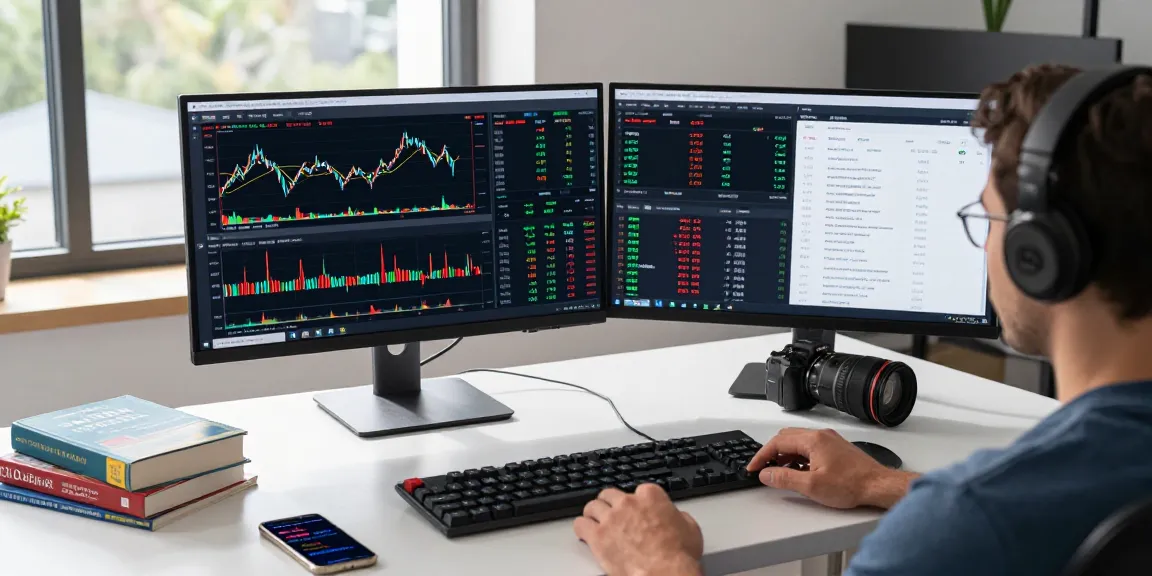
Understanding the Forex Real-Time Quote API
The Forex market operates 24 hours a day, making it essential for traders, developers, and financial researchers to access timely and accurate data. A forex real-time quote API serves as a vital tool in providing real-time exchange rates, enabling users to make well-informed trading decisions. With the growing complexity of Forex trading, understanding the mechanics and components of these APIs becomes crucial for maximizing their potential.
What is a Forex Real-Time Quote API?
A Forex real-time quote API is a set of protocols and tools that allows developers to access live currency exchange rates, market depth, historical data, and technical indicators through a programmatic interface. This API is designed to facilitate the integration of Forex data into applications, trading platforms, or analytical tools, ensuring that users can retrieve and utilize the most current market information for their strategies.
Core Components of a Forex API
The effectiveness of a Forex API lies in its core components, which typically include:
- Real-Time Data Access: Instantaneous access to up-to-date currency pairs and rates.
- Historical Data: Enables analysis of past trends and performance metrics.
- Technical Indicators: Provides common tools like MACD, RSI, and Bollinger Bands for technical analysis.
- Market Depth: Gives insights into buy/sell orders at various price levels.
- Economic Calendar: Tracks important economic events that can influence currency fluctuations.
Benefits of Using Real-Time Exchange Rates
Utilizing real-time exchange rates through a Forex API brings numerous benefits. Traders have the ability to react quickly to market changes, allowing for more strategic entries and exits in trades. Additionally, applications powered by real-time data can provide alerts based on user-defined criteria, ultimately enhancing trading performance and risk management.
Key Features of an Effective Forex API
Real-Time Data and Millisecond-Level Latency
In the fast-paced world of Forex trading, speed is paramount. An effective Forex API should offer millisecond-level latency to ensure that users receive data almost instantaneously. This low latency is crucial for high-frequency trading strategies where even a few milliseconds can impact trade profitability.
Technical Indicators and Historical Data
Access to a wide range of technical indicators empowers traders to make informed decisions based on market trends. Coupled with robust historical data, traders can backtest their strategies, analyze past performance, and refine their trading models. The combination of these features is essential for developing a comprehensive trading strategy.
WebSocket Push vs. RESTful API Queries
When choosing a Forex API, understanding the data retrieval methods is key. WebSocket push allows for real-time data streaming, which is advantageous for applications that require constant updates without repeatedly polling the server. In contrast, RESTful API queries offer flexibility and are ideal for retrieving specific data points or performing batch requests. Depending on the trading strategy and technology stack, developers must choose the method that best suits their needs.
Implementing the Forex Real-Time Quote API in Your Trading Platform
Step-by-Step Guide to Integration
Integrating a Forex real-time quote API into your trading platform can be straightforward if approached methodically. Here’s a general outline of the steps involved:
- Select an API Provider: Research available options based on functionality, data coverage, and user reviews.
- Obtain API Keys: Register for an account with the API provider to receive authentication keys.
- Set Up Your Development Environment: Choose your programming language and development tools.
- Implement API Calls: Use the API documentation to write code that queries the desired data.
- Test & Validate: Ensure that the data received is accurate and formatted as expected.
- Monitor Performance: Regularly check the integration for latency issues and data accuracy post-deployment.
Common Pitfalls and How to Avoid Them
Even experienced developers can encounter challenges while integrating a Forex API. Common pitfalls include inadequate error handling, misunderstanding API limitations, and neglecting testing. To mitigate these issues, developers should ensure robust error handling is in place, adhere carefully to API documentation, and conduct thorough testing under varied conditions before going live.
Real-World Case Studies of Successful Implementations
Several trading platforms have successfully integrated Forex APIs to enhance user experience and trading performance. For instance, a leading brokerage firm incorporated a real-time quote API that provided millisecond-level updates, resulting in a 20% increase in client satisfaction due to faster trade executions and improved market insights. Such case studies highlight the tangible benefits that can be realized through strategic API integration.
Best Practices for Analyzing Forex Data
Understanding Trends in Currency Pairs
Analyzing currency pairs requires a solid grasp of market trends. Traders must regularly assess economic indicators, news events, and historical patterns that could affect currency valuations. Utilizing tools provided by Forex APIs, traders can visualize these trends through graphs and charts, allowing for better forecasting and strategy development.
Utilizing Technical Analysis for Trading Decisions
Technical analysis is a cornerstone of successful trading strategies. By leveraging various indicators provided through a Forex API, traders can identify potential entry and exit points. This analytical approach aids in filtering out noise in price movements, helping traders stay aligned with market fundamentals.
Monitoring Market Depth for Better Insights
Market depth data enables traders to understand supply and demand dynamics at different price levels. This insight can help predict potential price movements and gauge market sentiment. By analyzing the order book, traders can make more informed decisions regarding market entry and exit points.
Future Trends in Forex APIs for 2026 and Beyond
Emerging Technologies Impacting Forex Trading
As technology evolves, so too will Forex trading. Innovations such as artificial intelligence and machine learning are becoming increasingly prevalent in the trading landscape. These technologies can enhance predictive analytics and decision-making processes, allowing traders to harness vast amounts of data effectively.
Forecasting Changes in Market Dynamics
Global economic shifts, political events, and technological advancements will continue to affect Forex markets. Staying informed about these changes and adapting trading strategies accordingly will be critical for success. Furthermore, API providers that offer predictive analytics tools will give their users a competitive advantage in adapting to these dynamics.
Preparing Your Strategy for the Future of Forex
To stay competitive in the ever-evolving Forex market, traders should consistently refine their strategies. This includes embracing new technologies, utilizing diverse data sources, and maintaining flexibility in their trading approaches. As market dynamics change, staying adaptable will be the key to long-term success.
What Are the Benefits of Using a Forex API?
Utilizing a Forex API provides several benefits, including access to real-time data, reduced latency, and the ability to automate trading strategies. It allows traders to develop sophisticated algorithms for decision-making, thus enhancing overall trading performance. Additionally, the ability to integrate with various platforms means that traders can tailor their systems to better meet their specific needs.
How Do I Choose the Right Forex Real-Time Quote API?
When selecting a Forex API, consider factors such as data accuracy, latency, historical data coverage, and customer support services. Also, examine user reviews and case studies to gauge the effectiveness of the API provider in real-world applications. By assessing these factors, you can ensure that the API you choose aligns well with your trading goals.
What Do I Need to Know About API Security?
Security is paramount when dealing with financial data. Ensure that your API provider adheres to strict security protocols, including data encryption and secure authentication methods. Regularly monitor your API usage and remain vigilant against potential breaches to protect sensitive trading information.
Can I Use a Free Forex API for Development?
While free Forex APIs can be useful for initial development and testing, they may lack critical features or reliability compared to paid options. If you are serious about trading, investing in a robust paid API will offer more comprehensive data and support, which is essential for effective trading strategies.
How to Optimize Your Trading with Real-Time Data?
To optimize trading results, traders should leverage the capabilities of real-time data effectively. Implementing automated trading systems that respond instantly to market movements can enhance trading efficiency. Additionally, continually analyzing performance and adjusting strategies based on real-time data can lead to better long-term outcomes.