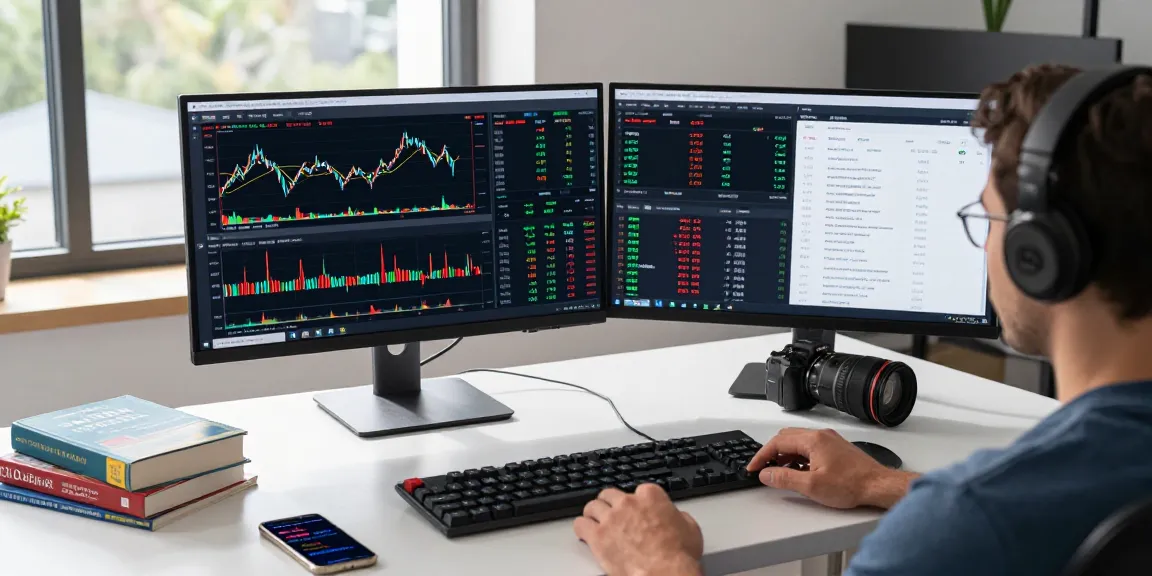
Understanding Real-Time Stock API Basics
In the evolving landscape of finance, the integration of blockchain technology and real-time data APIs has revolutionized how investors interact with markets. A Real-Time Stock API allows developers, traders, and financial institutions to access instantaneous stock market data, enhancing decision-making and trading strategies. As innovative trading strategies emerge within the decentralized finance (DeFi) space, the demand for reliable and accurate data sources has never been greater. By harnessing real-time feeds, like the 東証 リアルタイムデータ API, developers can fuel advanced analytics, quantitative models, and automated trading systems that ensure efficiency and competitive edge.
What is a Real-Time Stock API?
A Real-Time Stock API is a software interface that provides users with access to live market data, including stock prices, trading volumes, order books, and other critical financial metrics. These APIs facilitate the seamless integration of stock market data into applications, allowing for real-time analytics, decision-making, and automated trading. Unlike traditional data feeds that may have latency issues, a well-designed stock API delivers low-latency data, ensuring that information is both timely and actionable.
Key Features of Stock APIs
When selecting a Real-Time Stock API, users should consider several key features:
- Data Coverage: Effective APIs provide comprehensive data across multiple exchanges and asset classes, enabling users to access a wide range of financial instruments.
- Latency: High-performance APIs ensure minimal delay in data transmission, essential for high-frequency trading and real-time analysis.
- Protocol Support: APIs that support WebSocket and RESTful protocols offer flexible implementation options for various applications.
- Historical Data Access: The ability to retrieve historical data alongside real-time data aids in trend analysis and backtesting trading strategies.
- Scalability: Robust APIs are designed to handle increased loads, making them suitable for both small developers and large institutional operations.
How to Choose the Right API for Trading
Choosing the right Real-Time Stock API involves not only evaluating asset coverage and latency but also understanding the specific needs of your trading strategy. Factors such as the financial instruments to be tracked, platform compatibility, and pricing structure are essential. It’s also important to assess the customer support and documentation provided, which can be critical in a timely trading environment.
Utilizing Eastern Exchange Data Solutions
Accessing 東証 リアルタイムデータ API
The 東証 リアルタイムデータ API allows developers and financial analysts to access live trading data from Japan’s prominent exchanges. This API is particularly valuable for applications designed for markets that require quick and reliable updates on price movements, volumes, and orders. By integrating this API, users can enhance their analysis and performance metrics significantly, enjoying real-time data essential for informed decision-making.
Comparative Analysis: iTick vs. Competitors
In evaluating the iTick Stock API against competitors, notable metrics include data coverage, update frequency, and pricing structures. iTick offers access to over 50 global exchanges with highly competitive latency metrics, making it a strong contender for quantitative trading and research applications compared to other solutions. Its comprehensive historical data also allows developers to conduct more thorough technical analysis, which is crucial in a volatile market environment.
Case Studies of Successful API Implementations
Several institutions have successfully integrated Real-Time Stock APIs to optimize their trading strategies. For example, a leading quantitative hedge fund leveraged the iTick API to automate trading across multiple asset classes. By utilizing sophisticated algorithms that access real-time financial data, the fund was able to enhance its responsiveness to market conditions, leading to improved performance and decision accuracy. These case studies underline the importance of reliable data solutions in today’s trading landscape.
Integrating Stock Data with Trading Strategies
How to Leverage Real-Time Data for Trading
Real-time data plays a pivotal role in trading strategies, particularly in high-frequency trading and algorithmic trading models. By implementing data feeds that support market orders based on real-time price fluctuations, traders can capitalize on brief price movements that traditional analysis might miss. Furthermore, these strategies often include setups for stop-loss and take-profit orders to manage risks effectively.
Quantitative Trading Techniques Using Stock APIs
Quantitative trading utilizes algorithmic strategies executed by systems that analyze vast datasets rapidly. A well-designed stock API provides the necessary real-time data to capture minute market shifts, facilitating arbitrage opportunities and statistical arbitrage. Techniques such as pairs trading or mean reversion become more feasible when supported by accurate and timely data feeds, allowing traders to enhance their potential returns.
Optimizing Research with Historical Data Feeds
Incorporating historical data alongside real-time data allows traders and researchers to backtest trading strategies and assess their effectiveness under varying market conditions. APIs that provide comprehensive historical data facilitate this process, enabling analysis of trends, price patterns, and volatility metrics over substantial periods. This is essential for creating dynamic trading models that can adapt to evolving market conditions.
Securing Your Trading Environment
Best Practices for API Security
As reliance on APIs for trading grows, so does the need for robust security measures. Best practices include using secure authentication methods such as OAuth, ensuring the API is integrated over a secure communication channel (HTTPS), and regularly updating API keys. Employing a whitelisting strategy for IP addresses can also enhance security, limiting access to only recognized sources.
Understanding Data Privacy Regulations
With the increased focus on data privacy, adhering to regulations such as the General Data Protection Regulation (GDPR) is critical for API developers and users. Understanding the implications of data collection and user consent is paramount, especially when handling personal information related to trading activities and strategies.
Protecting Your Digital Wallet and Investments
Ensuring the security of digital wallets and investments is crucial in the crypto and stock markets. Techniques such as multi-signature wallets, using hardware wallets for large amounts, and employing two-factor authentication can provide additional layers of security. Moreover, educating users about common scams and phishing attempts helps in safeguarding against malicious actors.
Frequently Asked Questions
What are the benefits of using a real-time stock API?
The primary benefits include access to instant market data, enabling effective trading strategies, improved research capabilities, and enhanced decision-making based on up-to-the-second information. By integrating with a real-time stock API, traders can harness data analytics to optimize their trading outcomes.
How does the 東証 リアルタイムデータ API compare to others?
The 東証 リアルタイムデータ API distinguishes itself through its specific focus on Japanese markets, offering unrivaled data depth and real-time trading updates for equities listed on the Tokyo Stock Exchange. Its seamless integration capabilities and comprehensive data coverage make it a competitive choice against other APIs available in the marketplace.
Can I get free access to stock data APIs?
Yes, many APIs, including the iTick Stock API, offer free access to limited features, allowing new users to explore API functionalities without investment. However, for comprehensive data feeds and enhanced features, premium subscriptions may be necessary.
What measures should I take for API security?
Implementing secure API keys, utilizing HTTPS protocols, and conducting regular audits of API usage can mitigate security risks. Additionally, fostering user education regarding secure practices is essential for maintaining a secure trading environment.
Where can I find comprehensive guides on trading with APIs?
Numerous resources exist online, ranging from documentation provided by API providers to community forums and educational websites dedicated to trading strategies and API integrations. These guides can be instrumental in enhancing your understanding and use of trading APIs effectively.