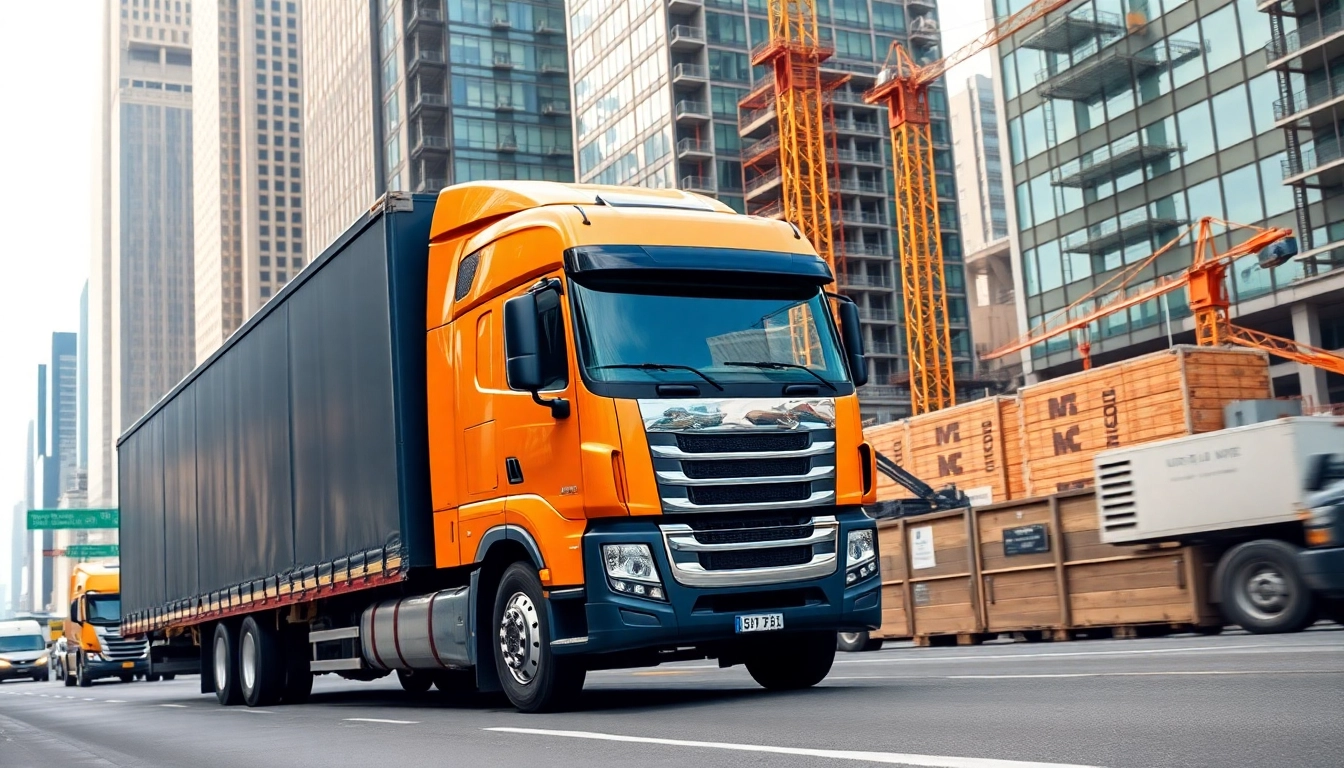
Understanding Equipment Transportation
Definition of Equipment Transportation
Equipment transportation refers to the process of moving various types of equipment from one location to another. This can include machinery, tools, vehicles, and oversized loads that are essential for various industries such as construction, agriculture, manufacturing, and logistics. Effective equipment transportation requires strategic planning and execution to ensure the safe, timely, and cost-efficient delivery of assets.
Importance in Various Industries
Equipment transportation plays a pivotal role across multiple sectors. In construction, the timely delivery of machinery such as excavators and loaders can significantly influence project timelines. In agriculture, transporting tractors and irrigation systems in a timely manner ensures that farming operations run smoothly and efficiently. Additionally, the manufacturing sector relies on transporting machinery to and from production sites to meet demand. Without efficient equipment transportation, many industries would face delays, increased costs, and potential safety hazards.
Common Types of Equipment Transported
Various types of equipment are regularly transported, including but not limited to:
- Heavy Machinery: Excavators, bulldozers, and cranes are examples of heavy machinery used in construction, mining, and other industries.
- Construction Equipment: This includes concrete mixers, scaffolding, and formwork systems essential for building projects.
- Agricultural Equipment: Tractors, harvesters, and plows are crucial for modern farming operations.
- Power Equipment: Generators and pumps, often used in temporary settings, need reliable transport services.
- Vehicles: Transporting cars, trucks, and specialized vehicles is essential for dealerships and rental services.
The Process of Equipment Transportation
Planning and Preparing for Transport
The first step in equipment transportation is meticulous planning. This involves assessing the equipment to be transported, determining the best routes, and scheduling the transport to avoid delays. Key considerations include the weight and dimensions of the equipment, potential route obstacles, and any special handling requirements.
Choosing the Right Transport Method
Choosing the appropriate transport method is critical for ensuring the equipment's safety and timely arrival. Options may include:
- Flatbed Trucks: Ideal for various types of equipment and offers easy loading and unloading.
- Specialized Trailers: Such as lowboy trailers for heavy equipment that requires a low center of gravity during transport.
- Container Shipping: Suitable for overseas transport of equipment and can provide protection from weather and theft.
- Rail Transport: Efficient for long distances, especially for heavy machinery, providing a cost-effective solution.
Legal Requirements and Documentation
Transporting equipment often involves strict legal requirements. Operators must secure the necessary permits, especially for oversized loads. Documentation such as bills of lading, insurance certificates, and inspection reports are crucial for compliance with regulations. Neglecting these legalities can result in fines and project delays.
Factors Affecting Equipment Transportation Costs
Distance and Route Factors
The distance of travel is one of the primary factors affecting transportation costs. Longer distances often incur higher charges due to fuel consumption and potential additional labor costs. Route selection also impacts pricing; routes involving heavy traffic, tolls, or adverse weather conditions can lead to increased transport times and expenses.
Type and Size of Equipment
The type and size of the equipment being transported significantly influence the cost. Heavier and larger machinery generally requires specialized transport methods, which can be more expensive than standard transport options. For instance, moving an excavator will cost more than transporting standard tractors due to its size and weight.
Insurance and Additional Costs
Insurance is a vital aspect of transporting equipment, as it protects against damage or loss during transit. The type of coverage needed can affect overall costs, particularly for high-value items. Additionally, businesses should consider other potential costs, such as loading/unloading fees, storage fees, and any expenses related to preparing the equipment for transport.
Best Practices in Equipment Transportation
Safety Measures to Consider
Safety should be a top priority during equipment transportation. It's important to ensure that all operators are trained and aware of safety protocols, including the use of personal protective equipment (PPE) and understanding the equipment's requirements. Regular vehicle maintenance checks should be conducted to prevent accidents caused by mechanical failures.
Load Securement Techniques
Proper load securement is crucial to prevent equipment from shifting during transport, which can lead to accidents and damage. Using chains and straps to secure the load, along with ensuring the weight is evenly distributed on the transport vehicle, are essential techniques. It's also advisable to conduct a pre-departure inspection to confirm that everything is secured correctly.
Scheduling and Timing Considerations
Accurate scheduling can impact both the cost and efficiency of equipment transportation. Planning transport during off-peak hours can reduce delays and potentially lower costs. Additionally, logistics planning through software can streamline the scheduling process, making it easier to optimize routes and meet delivery deadlines.
FAQs about Equipment Transportation
What types of equipment can be transported?
Various equipment can be transported, including heavy machinery, construction tools, agricultural equipment, vehicles, and even specialized containers.
How can I reduce transportation costs?
To reduce costs, plan routes carefully, choose the right transport method, consolidate shipments, and negotiate rates with transport providers whenever possible.
What are the safety regulations for transporting equipment?
Safety regulations can vary by region but generally include secure load practices, proper licensing of drivers, and compliance with weight limits and road regulations.
How to choose a transportation provider?
When choosing a provider, consider their experience, reputation, customer reviews, safety record, and compliance with legal requirements for transporting equipment.
What should I prepare before transport?
Ensure the equipment is in good condition, gather all necessary documentation, arrange for any required permits, and communicate any specific transport needs to the provider.
Contact Information
Call Us:4062607988Address: 3906 MT-40, Columbia Falls, MT 59912