
Understanding the Role of a Manhattan Construction Manager
The Manhattan Construction Manager plays a pivotal role in the bustling landscape of New York City's construction sector. This position is not only about managing construction sites but also encompasses a multitude of tasks, including strategic planning, budgeting, and execution of various complex projects. As urban development rapidly evolves, the Manhattan Construction Manager becomes increasingly indispensable for ensuring that projects not only meet architectural and design specifications but also comply with stringent city regulations.
Key Responsibilities of a Manhattan Construction Manager
The responsibilities of a Manhattan Construction Manager can be both extensive and intricate. Their primary functions are centered around the following areas:
- Project Planning: Developing thorough plans that define project scope, resources, and timelines.
- Budget Management: Overseeing financial aspects to ensure the project stays within budget, including estimating costs and managing expenditures.
- Supervising Construction Activities: Coordinating and directing construction operations while ensuring adherence to project specifications and timelines.
- Stakeholder Communication: Serving as the main point of contact between various stakeholders, including clients, architects, subcontractors, and city officials.
- Quality Control: Implementing rigorous quality assurance processes to ensure all work meets or exceeds project expectations.
Essential Skills Required for Success
Being an effective Manhattan Construction Manager demands a unique blend of skills:
- Leadership: The ability to lead diverse teams and inspire collaboration among members from various disciplines.
- Problem-Solving: Addressing issues swiftly as they arise on construction sites, with minimal disruption to progress.
- Technical Knowledge: Proficient understanding of construction methods, materials, and legal regulations within New York City.
- Communication: Clear and effective communication skills are vital for liaising with all stakeholders effectively.
- Negotiation: Strong negotiation skills are essential for securing favorable terms with subcontractors and suppliers.
Impact on Project Outcomes
The impact of a Manhattan Construction Manager on project outcomes is profound. Effective management can lead to:
- Increased Efficiency: Skilled managers optimize processes to ensure the project runs smoothly and on schedule.
- Cost Savings: Proper management and oversight mitigate financial risks, keeping the project within budget.
- Safety Enhancements: By prioritizing safety regulations and practices, managers help to reduce the risk of accidents on-site.
- High-Quality Deliverables: Rigid adherence to quality standards typically results in superior project outcomes.
Common Challenges Faced by Manhattan Construction Managers
While the role is rewarding, it is not without its challenges. Here are some common hurdles that Manhattan Construction Managers must navigate:
Navigating Urban Regulations and Permits
New York City’s construction landscape is highly regulated. Obtaining the necessary permits and complying with local regulations can be daunting:
- Understanding Complex Codes: NYC has a multifaceted building code; managers must be well-versed in all applicable regulations.
- Timely Approvals: Ensuring that permits are obtained promptly is crucial to maintaining project schedules.
- Inspections and Compliance: Continuous compliance is mandatory at various project stages, requiring diligent oversight.
Managing Diverse Stakeholder Needs
Effective communication and management of stakeholder expectations are vital for project success:
- Client Expectations: Balancing client requests with practical constraints can be challenging.
- Subcontractor Coordination: Ensuring all subcontractors align with the project's vision and timeline is essential.
- Public Relations: Maintaining positive relations with the public and neighbors affected by construction activities can prevent conflicts.
Balancing Budget and Timelines
The pressure to deliver on time and within budget is a constant concern:
- Resource Allocation: Allocating resources efficiently while managing costs is critical for keeping the project financially viable.
- Time Management: Identifying and mitigating delays ensures project milestones are achieved.
- Cost Overruns: Managers must anticipate potential cost overruns and implement strategies to address them.
Best Practices for Effective Construction Management
To navigate challenges successfully, Manhattan Construction Managers can adopt a variety of best practices:
Implementing Advanced Project Management Tools
Utilizing modern technology enhances project efficiency:
- Project Management Software: Tools like BIM (Building Information Modeling) facilitate collaboration and improve project visualization.
- Cloud-Based Platforms: These tools allow for real-time tracking and sharing of project data, enhancing transparency.
- Data Analytics: Analyzing performance metrics can guide decision-making and improve future project outcomes.
Fostering Team Collaboration and Communication
Open lines of communication often mitigate misunderstandings:
- Regular Meetings: Hold scheduled meetings to keep the entire team aligned and informed on project progress.
- Feedback Loops: Encourage sharing of insights and feedback among team members to enhance productivity.
- Conflict Resolution: Addressing conflicts promptly can prevent escalation and maintain team morale.
Ensuring Safety and Compliance On-Site
Prioritizing safety creates a secure working environment:
- Regular Safety Audits: Conducting frequent audits ensures that all safety regulations are being followed.
- Training Programs: Implementing comprehensive training can minimize workplace accidents and injuries.
- Emergency Preparedness: Establishing protocols for emergencies ensures swift action when incidents arise.
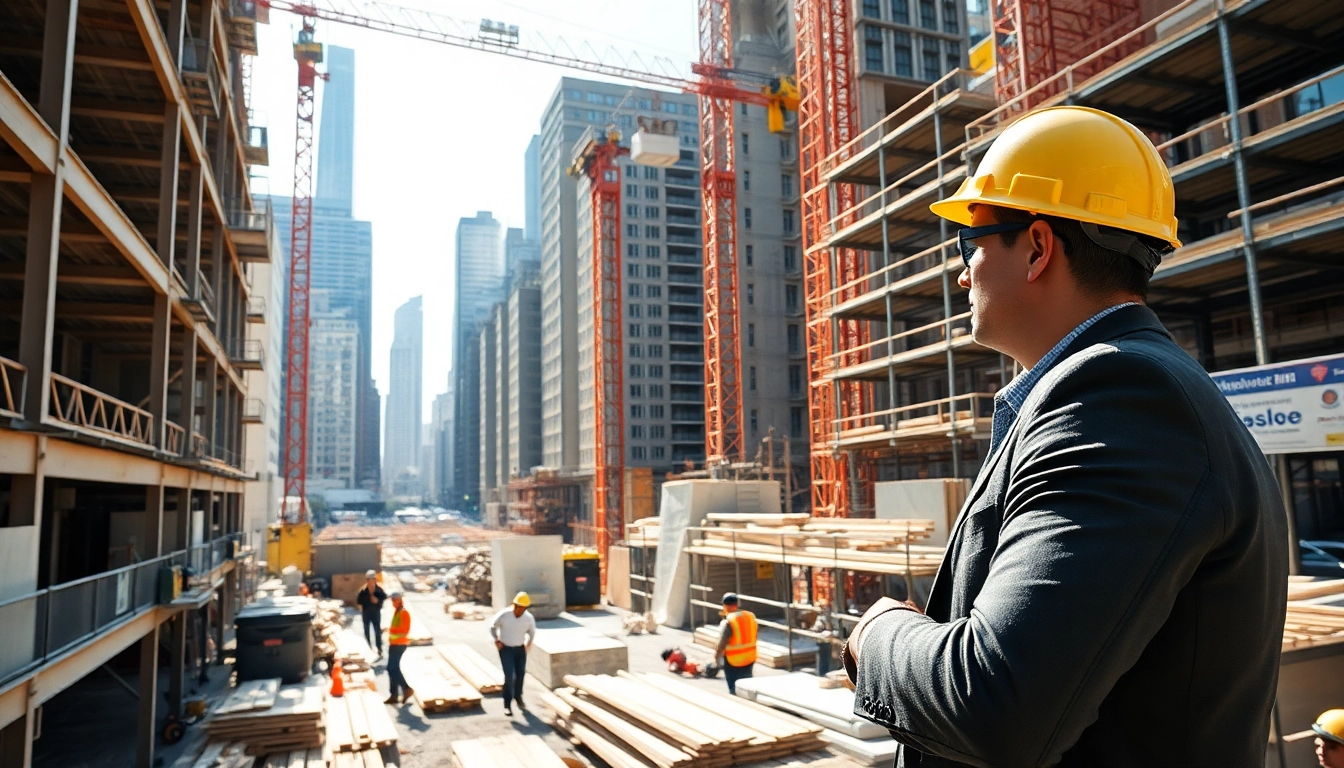
Case Studies: Successful Manhattan Construction Manager Led Projects
Several notable projects stand as testimonies to the capabilities of adept Manhattan Construction Managers:
Innovative Strategies in High-Rise Developments
In high-rise construction, innovative approaches have proven beneficial:
- Modular Construction: Utilizing pre-fabricated components accelerates timelines and enhances efficiency.
- Vertical Integration: By incorporating various trades into one cohesive unit, managers streamline communication and reduce risks.
Revitalization Projects in Lower Manhattan
Transforming aging structures into modern, functional spaces requires unique strategies:
- Historical Preservation: Balancing historic preservation with modern building standards often necessitates careful planning and execution.
- Sustainable Practices: Incorporating green technologies not only improves energy efficiency but also attracts eco-conscious tenants.
Efficient Management of Mixed-Use Spaces
Managing mixed-use developments often presents unique challenges and opportunities:
- Community Engagement: Involving community members in the planning process fosters goodwill and addresses concerns upfront.
- Flexible Design Approaches: Designing adaptable spaces to cater to a variety of uses enhances the project's long-term viability.
Future Trends Influencing Manhattan Construction Management
The landscape of construction management is continuously evolving, influenced by several emerging trends:
Embracing Sustainable Building Practices
There is a growing emphasis on sustainability in construction:
- Energy Efficiency: Incorporating energy-efficient systems and materials reduces the carbon footprint of buildings.
- LEED Certification: Pursuing LEED or other green certifications can offer projects a market advantage.
Technological Advancements in Construction
Technology is reshaping how construction managers operate:
- Artificial Intelligence: AI-driven tools can predict project risks and optimize schedules.
- Virtual Reality: VR can be used for project visualization, helping stakeholders better understand project outcomes.
The Evolving Role of Construction Managers in NYC
As the demands of the industry change, so too does the role of the Manhattan Construction Manager:
- Increased Responsibility: Managers increasingly take on broader responsibilities, from project conception through execution and beyond.
- Interdisciplinary Collaboration: Collaborating across disciplines enhances project outcomes and fosters innovation in construction practices.
Frequently Asked Questions
What qualifications do you need to become a Manhattan Construction Manager?
Typically, you need a degree in construction management, civil engineering, or architecture, along with relevant work experience in construction.
What is the average salary for a Manhattan Construction Manager?
The average salary can vary widely, but it generally ranges from $80,000 to over $120,000, depending on experience and project complexity.
What are the main software tools used by Manhattan Construction Managers?
Common tools include project management software such as Procore, Autodesk BIM 360, and Microsoft Project, which help with scheduling and collaboration.
How do construction managers mitigate risks on projects?
They identify potential risks early, develop mitigation strategies, and maintain open communication with all stakeholders to address issues promptly.
What trends are shaping the future of construction management?
Key trends include increased reliance on technology, sustainability initiatives, and a growing focus on safety and compliance processes.