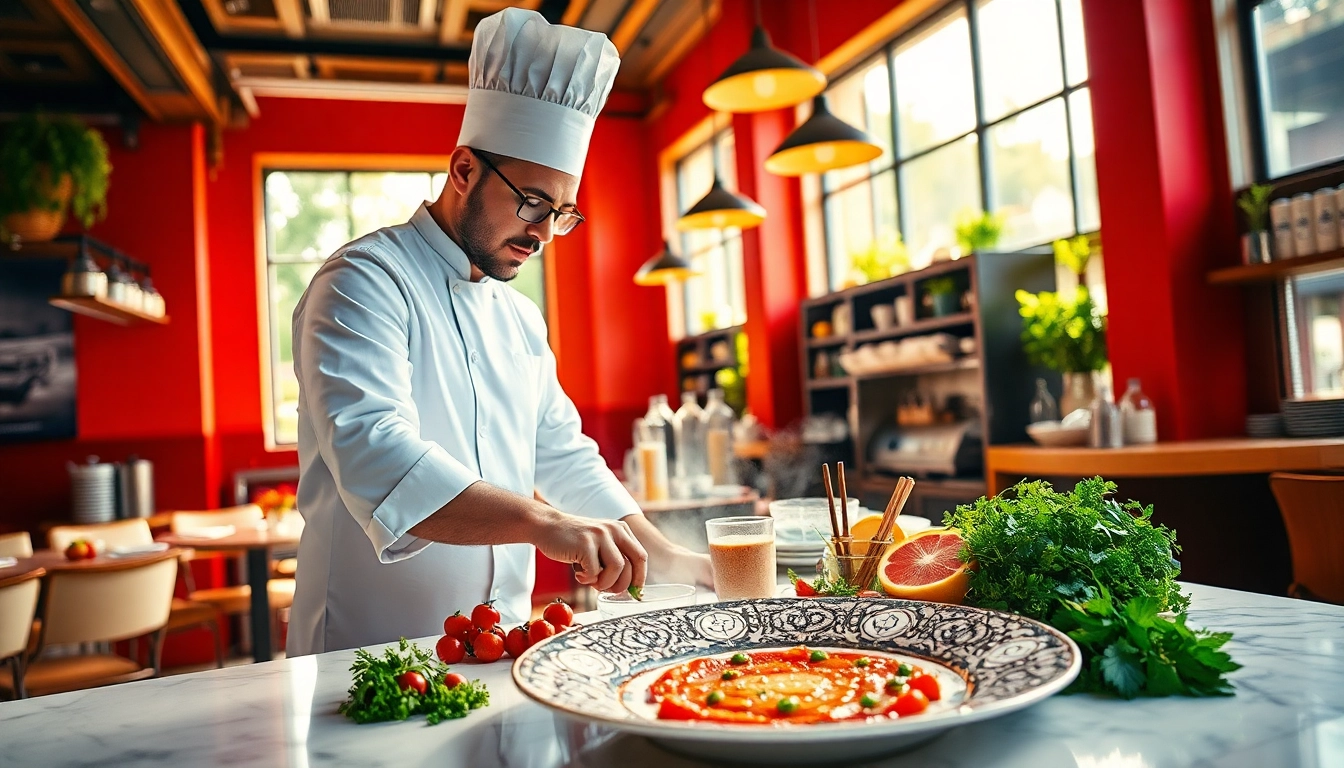
Understanding Menu Design
In the world of dining, a restaurant menu serves as more than just a list of dishes; it shapes the customer experience, drives sales, and reflects the establishment's identity. Developing a menu that not only pleases the palate but also captivates the eyes and engages the mind is essential for success in the hospitality industry. Whether you’re considering a complete overhaul or a subtle refresh, understanding the intricacies of menu design is crucial. This article will delve into the factors that contribute to a well-crafted menu, the latest food trends, how to enhance the dining experience, marketing strategies, and the performance metrics needed to gauge success. As we explore these elements, we'll weave in insights relevant to creating enticing offers that resonate with customers, such as incorporating slot online into your promotional strategies.
Importance of a Well-Crafted Menu
A well-crafted menu is the backbone of a restaurant's operation. It conveys the concept of the establishment, showcases the chef's creativity, and plays a vital role in customer satisfaction. With diners increasingly seeking unique experiences, the menu serves as an essential marketing tool that can entice potential customers and encourage repeat visits.
Moreover, a thoughtfully designed menu can significantly impact profit margins. By strategically placing high-margin items and utilizing psychological pricing techniques, restaurants can enhance their profitability. With careful attention to menu layout, item descriptions, and pricing, restaurateurs can encourage customers to indulge in their offerings, resulting in increased sales.
Elements of Successful Menus
Several key elements contribute to the success of a restaurant menu. These include:
- Menu Structure: A well-organized menu provides clarity and helps diners navigate their options seamlessly. Grouping dishes by category, such as appetizers, mains, and desserts, improves usability.
- Descriptive Language: Using enticing descriptions engages the senses and creates anticipation. Descriptions should highlight unique ingredients, preparation methods, and flavor profiles.
- Visual Appeal: The design and layout of a menu should be visually striking and easy to read, utilizing typography and color schemes that reflect the brand’s identity.
- Seasonality: Incorporating seasonal ingredients not only ensures freshness but also allows for menu rotation, reconnecting customers with the beauty of nature's bounty.
Balancing Variety and Specialization
Finding the right balance between variety and specialization is crucial for any menu. Diners often appreciate diverse options that cater to various tastes and dietary restrictions, such as vegan or gluten-free choices. However, a restaurant that offers too many choices risks overwhelming customers and diluting the brand's identity.
Specialization allows establishments to position themselves as experts in a particular cuisine or dish, enhancing their reputation. Striking a balance involves carefully curating the menu to include signature items while allowing for seasonal specials or diverse side options that enhance the dining experience without compromising focus.
Trending Culinary Concepts
The culinary landscape is constantly evolving, and staying updated with the latest trends is essential for keeping menus fresh and appealing. Below are some of the most notable trends currently shaping the restaurant industry.
Fusion Cuisine Hotspots
Fusion cuisine has gained significant traction in recent years, blurring the lines between traditional culinary boundaries. Chefs experiment with flavors and techniques from different cultures to create innovative dishes that surprise and delight diners. Popular examples include Korean tacos, sushi burritos, and Mediterranean-inspired pizza toppings.
To incorporate this trend into your menu, consider hosting collaborative events with chefs from different backgrounds or featuring fusion specials on certain nights. This not only keeps the menu exciting but also fosters a sense of community and cultural exchange.
Plant-Based Options on Menus
As more individuals adopt plant-based diets for health or ethical reasons, offering enticing plant-based options is essential. Restaurants increasingly include dishes that are not only vegan but also creatively crafted to appeal to all diners, regardless of their dietary preferences. Out-of-the-box ideas include mushroom burgers, lentil-based pasta dishes, and desserts made from coconut cream.
Highlighting local, organic ingredients will further enhance the appeal of plant-based dishes while aligning with sustainability values—an important consideration for many consumers today. A dedicated section on the menu for plant-based or vegetarian dishes can help communicate commitment to inclusivity and innovation.
Crafting Unique Beverage Pairings
Beverage pairings are no longer an afterthought. Restaurants are embracing creative drink offerings that enhance their culinary flavors—think craft cocktails that complement specific dishes or artisanal sodas made with house-infused ingredients. Offering a diverse selection of wines, craft beers, and unique non-alcoholic beverages can elevate the dining experience.
Consider hosting pairing dinners where guests can experience curated menus alongside recommended drinks, creating a memorable tasting experience that encourages exploration and discovery.
Enhancing the Dining Experience
The dining experience extends beyond the menu. Crafting an atmosphere that elevates the customer’s sense of enjoyment is equally important. Here are some critical aspects to consider when enhancing the overall experience.
Utilizing Visual Appeal
From the physical presentation of dishes to the overall ambiance of the restaurant, visual appeal is a key component of the dining experience. Dishes should be plated artistically, featuring vibrant colors and textures that stimulate the senses. Attention to detail in décor—lighting, furniture, and table settings—can set the tone for the experience.
Interactive elements, such as open kitchens or chef's tables, can draw diners deeper into the culinary experience, allowing them to connect more personally with the food.
Considerations for Accessibility
Ensuring that your restaurant is accessible to all individuals is paramount. This includes not only physical accessibility for diners with mobility challenges but also offering menu options that cater to various dietary restrictions and preferences, including allergen-free, low-sodium, or sugar-free selections.
Providing clear, concise labeling on the menu and enabling staff training on dietary requirements can enhance accessibility and demonstrate your commitment to customer care and inclusivity.
Feedback and Menu Adjustments
Continual improvement is crucial in maintaining a relevant and appealing menu. Regularly seeking customer feedback can provide invaluable insights into what works and what needs refinement. Consider implementing comment cards or engaging diners through social media platforms to gather opinions on menu offerings.
Be proactive in adjusting the menu based on feedback, trends, and seasonality, allowing the menu to evolve naturally with its audience.
Marketing Your Restaurant's Offerings
To effectively promote your restaurant, an engaging marketing strategy is essential. Combining traditional marketing techniques with innovative digital solutions allows for broader outreach and more personal engagement with the customer base.
Promotions through Digital Marketing
Utilizing digital marketing techniques, such as email campaigns and targeted advertisements, can draw attention to your menu offerings, upcoming events, or new dishes. Creating visually appealing content that highlights tantalizing dishes or customer favorites can entice potential patrons to visit.
Offering online reservations or exclusive promotions through social media can increase engagement and improve visibility in a competitive market.
Leveraging Social Media
Social media platforms offer a unique opportunity to interact with customers in real-time, showcase menu items, and promote special events. Sharing high-quality images of dishes, behind-the-scenes content, or chef interviews can engage audiences and encourage sharing across their networks.
Host contests or themed nights that encourage guests to post their dining experiences can significantly boost your restaurant’s visibility while creating a sense of community among patrons.
Engaging Local Food Critics
Inviting local food critics or bloggers to sample your offerings can provide an authentic review that influences public perception. Establishing good relationships with these influencers can encourage authentic coverage and recommendations, translating into tangible increases in foot traffic and interest.
Consider hosting exclusive tasting events that allow critics to experience your full range while offering personal interaction with chefs and staff.
Performance Metrics for Success
Understanding the effectiveness of your menu and overall operations requires careful analysis of performance metrics. By implementing data-driven approaches, restaurateurs can make informed decisions to drive success.
Analyzing Sales Data
Regular evaluations of sales data can reveal trends in customer preferences, helping to identify bestsellers and underperforming items. This analysis allows restaurants to make informed decisions on menu adjustments, pricing strategies, and promotional focus.
Paying attention to seasonal variances and external factors that may affect performance can enhance strategy development for maximizing profits.
Customer Satisfaction Metrics
Measuring customer satisfaction is vital for maintaining a loyal customer base. By utilizing surveys or feedback forms, restaurants can gauge diners’ experiences, highlighting strengths and identifying areas for improvement.
Customer satisfaction scores should be monitored closely, and actionable insights from feedback should be implemented promptly to maintain a positive reputation.
Reviewing Menu Item Performance
Analyzing the performance of each menu item can inform future development and adjustments. Tracking metrics such as profitability, popularity, and customer feedback can help pinpoint which items deserve a spotlight and which may need to be phased out.
Regularly reviewing menu item performance supports the continuous evolution of your restaurant, keeping it fresh and focused on customer preferences.
Frequently Asked Questions
How often should I update my menu?
An ideal frequency could range from seasonal updates to yearly overhauls, depending on trends and feedback.
What metrics should I track for menu success?
Track sales data, customer satisfaction scores, and individual item performance to measure success effectively.
How can I create a visually appealing menu?
Incorporate quality graphics, clear typography, and a clean layout to enhance visual appeal and usability.
What is the best way to introduce new menu items?
Consider hosting tasting events or utilizing social media teasers to generate excitement before launching new offerings.
How can I ensure my menu accommodates dietary restrictions?
Label menu items clearly and provide a variety of options to cater to various dietary needs effectively.