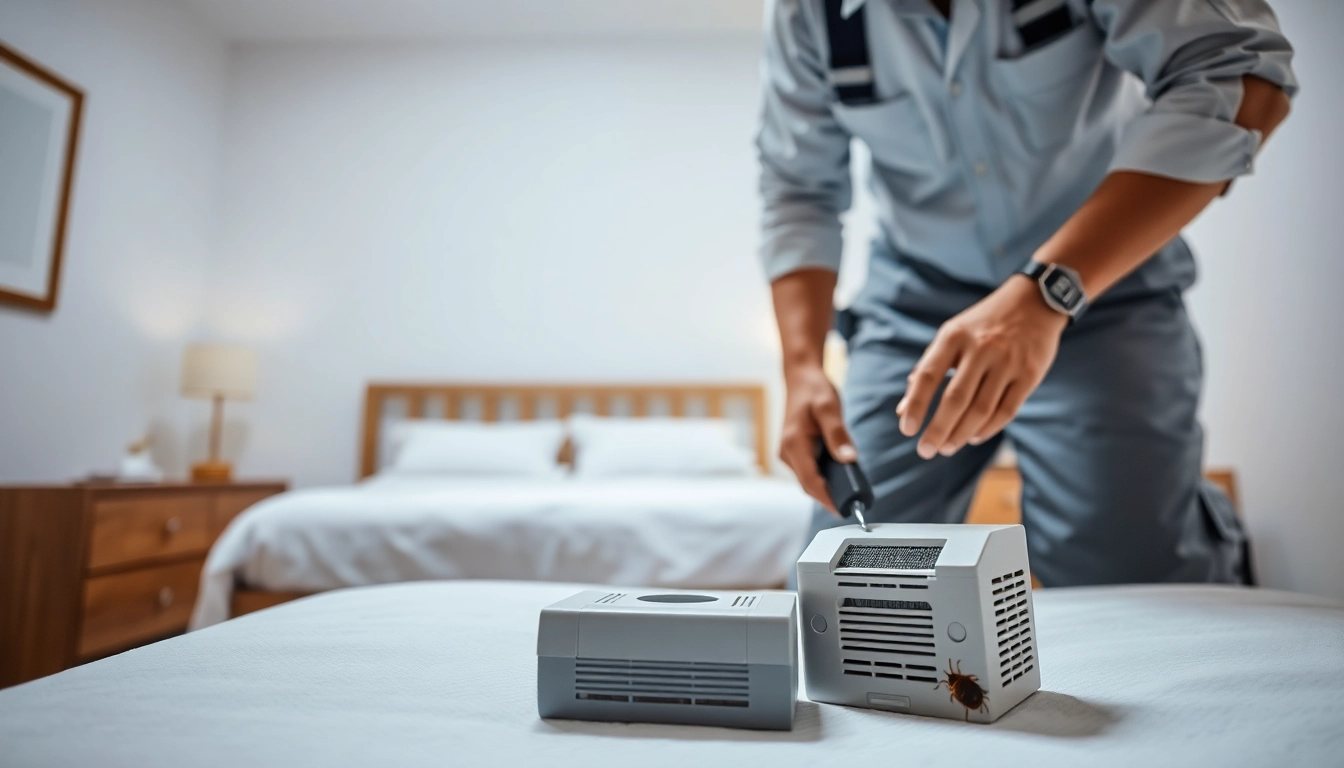
Understanding Bed Bug Removal
Bed bugs can turn a peaceful home into a nightmare. Understanding the complexities of bed bug removal is crucial for any homeowner facing this challenging pest issue. From identifying the problem to choosing the right removal method, a focused and informed approach is essential. This article delves into the necessary steps for effectively tackling bed bug infestations, ensuring peace of mind and comfort in your living space.
What Are Bed Bugs?
Bed bugs are small, nocturnal insects that feed on the blood of humans and animals. Measuring up to a quarter of an inch in length, they have a flat, oval-shaped body that allows them to hide easily in cracks and crevices. Adult bed bugs are reddish-brown, while nymphs are lighter in color and smaller. These pests reproduce quickly, with females capable of laying hundreds of eggs during their lifetime, making early detection crucial.
Signs of Infestation
Detecting a bed bug infestation is often the first key step in ensuring effective treatment. Signs include:
- Bite Marks: These appear as small red welts on exposed skin, often in a line or cluster.
- Blood Spots: Small, dark spots on bedding or upholstery may indicate crushed bugs or bites.
- Shed Exoskeletons: As bed bugs grow, they molt their exoskeletons, which can be found in infested areas.
- Fecal Stains: Dark, small spots on sheets or walls indicate fecal matter from bed bugs.
- Strong Odor: An unpleasant, musty smell can develop in heavily infested areas, caused by bed bug pheromones.
The Importance of Quick Action
Responding promptly to a suspected bed bug infestation is paramount. The longer the infestation is allowed to persist, the more difficult it becomes to eradicate it completely. Acting swiftly not only minimizes the discomfort and stress associated with bites but also reduces the time and money spent on treatment. Moreover, early intervention typically allows for more efficient, non-chemical treatment methods, which are often preferable for the well-being of occupants and pets.
Methods of Bed Bug Removal
Professional Pest Control Techniques
For severe infestations, professional pest control services may be necessary. The techniques employed by these experts typically include:
- Heat Treatment: Raising the temperature in infested areas to over 120°F kills bed bugs at all life stages.
- Pesticides: Chemical treatments can target bed bugs effectively but should be used carefully to avoid residual health risks.
- Encasements: Mattress and box spring encasements prevent bed bugs from inhabiting sleeping areas and help in monitoring for re-infestations.
Certified professionals follow integrated pest management (IPM) practices that combine multiple methods for the best results. This thorough approach ensures that both the existing infestation and potential future risks are adequately addressed.
DIY Bed Bug Removal Methods
If the infestation is minor or in its early stages, there are effective do-it-yourself methods that can be employed:
- Washing and Drying: Washing infested bedding, clothing, and linens in hot water and drying them on the highest setting can kill bed bugs and their eggs.
- Vacuuming: Regular vacuuming of carpets, rugs, and furniture can physically remove bed bugs and their droppings.
- Steam Cleaning: Steam cleaning furniture and carpets at heat levels exceeding 120°F can also eradicate bed bugs.
- Insect Traps: Deploying traps around beds and suspected hiding areas can help catch and monitor bed bug populations.
While these methods can be effective, they require diligence and follow-up to ensure that bed bugs are entirely eliminated.
Comparison of Treatment Options
When it comes to choosing between professional treatments and DIY methods, several factors come into play:
FactorProfessional TreatmentDIY MethodsEffectivenessHigh, especially for severe infestations.Varies; may not eliminate all bugs.CostGenerally higher.Lower, but varies based on products used.Time RequiredCan be a multi-day process.Depends on method; immediate for cleaning.Health RisksMinimal if performed by licensed technicians.Potential exposure to chemicals if improper products are used.
Both professional and DIY methods can result in successful bed bug removal, and the choice largely depends on the infestation severity, budget, and personal preferences regarding chemical use.
Preventing Future Infestations
Effective Home Maintenance Tips
Preventing bed bug infestations requires proactive measures, including:
- Regular Inspections: Routinely check sleeping areas, luggage, and furniture for signs of bed bugs.
- Seal Cracks and Crevices: Regularly inspect and seal gaps around baseboards, light fittings, and electrical outlets.
- Be Cautious While Traveling: Inspect hotel rooms for signs of bed bugs and keep luggage elevated from beds and carpets.
These practices can significantly reduce the likelihood of bed bugs finding their way into your home.
Monitoring and Early Detection
Life-cycle monitoring plays a crucial role in early detection:
- Use Monitoring Traps: Employ traps that can detect the presence of bed bugs, allowing for timely action.
- Educate Household Members: Ensure everyone knows what to look for and how to report potential sightings.
- Conduct Routine Check-Ins: Set up a schedule for periodic inspections.
This proactive approach can help catch an infestation before it escalates into a more significant problem.
Using Bed Bug-Proof Encapsulations
Encasements for mattresses and box springs provide a protective barrier against bed bugs:
- Prevention: Encasements can prevent bed bugs from entering or escaping.
- Monitoring: They allow for visible checks to ensure no new infestations are developing.
- Ease of Cleaning: They simplify cleaning efforts as bugs can't hide in the bedding material.
Investing in quality bed bug-proof encasements is a smart preventative measure for maintaining a bed bug-free environment.
Cost Factors in Bed Bug Removal
Average Pricing for Professional Services
The cost of professional bed bug removal services can vary significantly based on several factors:
- Infestation Severity: A minor infestation costs significantly less than an extensive one.
- Location: Costs may vary depending on geographic location and market demand.
- Type of Treatment: Heat treatments often come at a premium compared to chemical treatments.
On average, homeowners can expect to pay between $300 and $1,500 for a complete treatment program, with costs often broken down based on the size of the home and the complexity of the infestation.
DIY Costs and Considerations
DIY bed bug removal approaches can be more budget-friendly but come with their own set of costs:
- Materials: The cost of insecticides, traps, and cleaning supplies can add up.
- Time: DIY methods may require significant personal time and effort.
- Efficacy: In some cases, improper execution may lead to a persistent infestation.
Diligent research and execution can keep DIY costs manageable, but homeowners should assess their comfort level with treatment methods.
Insurance and Treatment Coverage
Insurance policies can provide varying coverage for bed bug treatments:
- Homeowner's Insurance: Not all policies cover pest control services, so it's crucial to read the fine print.
- Renter's Insurance: Coverage may differ, and additional pest control endorsements may be necessary.
- Prevention Programs: Some insurance policies may offer discounts for preventive measures taken.
Consulting with your insurance provider can clarify what options are available to help manage costs associated with bed bug removal.
FAQs About Bed Bug Removal
What should I do if I see a bed bug?
If you see a bed bug, take immediate action. Clean the area, wash affected items, and consider calling a pest control professional for an assessment.
How can I tell if my treatments are working?
Monitor the area for new bites and visible bugs. A reduction in sightings over a few weeks typically indicates success in treatment.
Are bed bugs dangerous to my health?
While bed bugs are not known to transmit diseases, their bites can lead to severe allergic reactions, skin infections, and sleep disturbances.
How soon can I expect results from treatment?
Results vary with treatment type. Heat treatments may show immediate results, while chemical treatments typically require multiple sessions over a few weeks.
What are the best home remedies for bed bug removal?
Effective home remedies include washing infested textiles in hot water, vacuuming frequently, and using diatomaceous earth as a desiccant in infested areas.