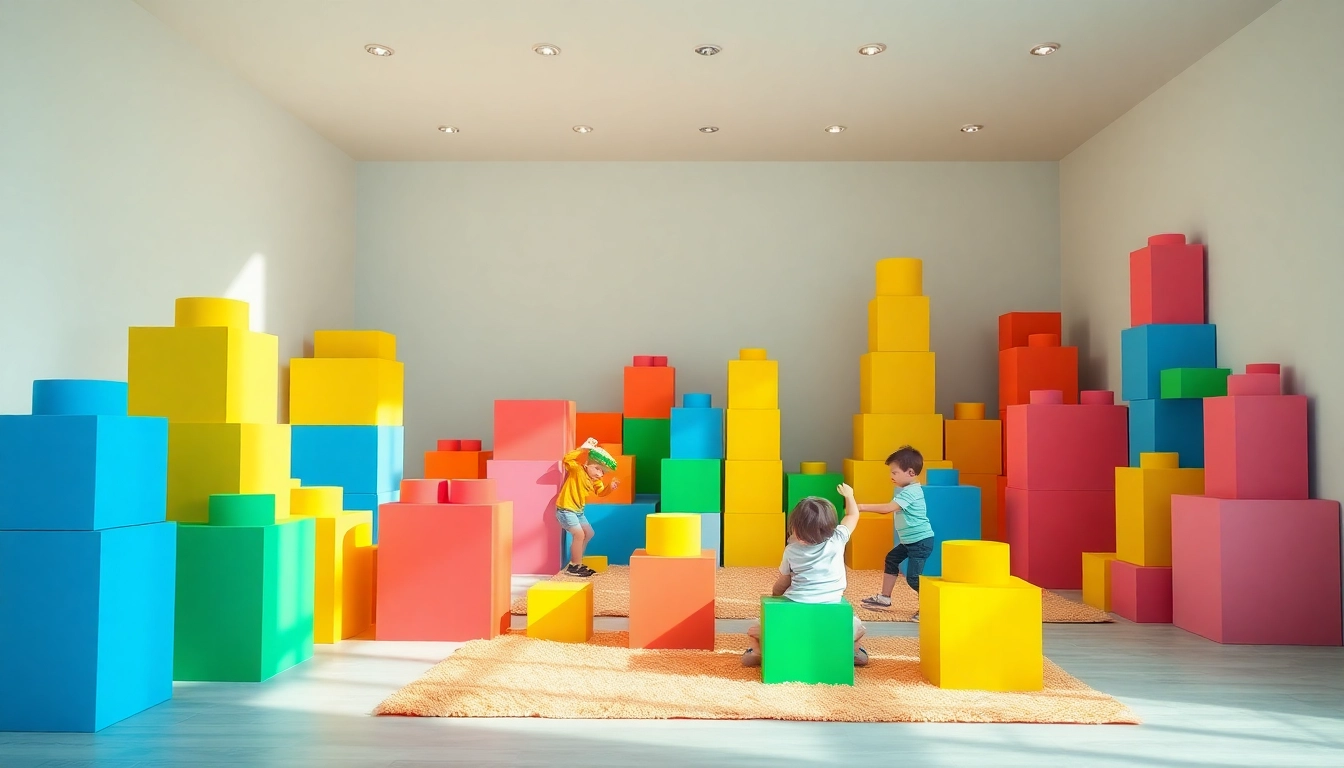
The Benefits of Large Building Blocks for Children
Large building blocks provide much more than mere entertainment for children—they serve as fundamental tools for learning and development. Engaging in activities with these blocks can significantly enhance a child's cognitive and physical skills. In this guide, we'll explore the multifaceted benefits of these engaging toys, ensuring you can discover more about how they can contribute to a child's growth.
Enhancing Creativity and Imagination
One of the primary advantages of large building blocks is their ability to spark creativity and imagination. Unlike conventional toys that dictate how they should be used, building blocks allow children to envision and construct their own designs. This open-ended play encourages imaginative scenarios, as kids often create constructions that represent their thoughts and ideas. Research demonstrates that imaginative play leads to improved problem-solving abilities and enhanced critical thinking skills.
Developing Motor Skills
Manipulating large building blocks contributes to the development of fine and gross motor skills. As children grasp, stack, and balance the blocks, they strengthen their hand-eye coordination and dexterity. This physical interaction is crucial during early childhood as it helps lay the groundwork for more complex skills such as writing and other hand-eye coordination tasks. Moreover, the weight and size of the blocks provide a unique challenge, pushing kids to work on their strength and balance as they create tall structures.
Fostering Teamwork and Social Skills
Large building blocks are perfect for cooperative play, which fosters teamwork and social interaction among children. When engaged in group building activities, kids learn to communicate their ideas, negotiate roles, and resolve conflicts, all of which are critical social skills. This kind of interactive play not only cultivates friendships but also develops a sense of belonging and community, particularly in settings like preschool or communal play areas.
Choosing the Right Building Blocks
Selecting the appropriate building blocks for your child involves understanding their age, interests, and developmental needs. With a wide variety of options available, it's essential to consider several important factors before making a decision.
Material Safety Considerations
Safety should always be the foremost priority when selecting toys for children. Large building blocks are typically made from plastic, wood, or foam. Ensure that the materials are non-toxic, BPA-free, and free from sharp edges. Blocks should also comply with safety standards to mitigate any risk of choking hazards, especially for younger children. It's advisable to check for certifications from reputable safety organizations to ensure the product is safe for play.
Size and Shape Variability
Another consideration when selecting building blocks is their size and shape. Larger blocks generally provide easier handling for younger children, reducing frustration and promoting engagement. Varying shapes can also encourage exploration of different building techniques and structures. For example, rectangular blocks can be used for the base while triangular ones can help create roofing designs, inspiring architectural creativity.
Age-Appropriate Options
Building blocks come in designs tailored for varying age groups. It's essential to choose age-appropriate blocks to ensure they match your child's developmental stage. For younger toddlers, larger, lightweight blocks promote safe play and grasping skills. As children grow, introducing smaller, more intricate sets can challenge their skills and keep their interest alive, fostering incremental growth and learning.
Best Indoor Building Block Activities
Maximizing the play value of large building blocks involves integrating various activities that can bolster learning and give children the freedom to express their creativity.
Themed Building Challenges
Themed building challenges can be an exciting way to engage children with large blocks. By proposing specific themes—like building a castle, spaceship, or zoo—children can focus their creativity while adhering to a theme. This kind of structured play encourages planning and can ignite an aspiration to learn about different subjects connected to the chosen theme, like history or science.
Cooperative Play Ideas
Encouraging cooperative play with building blocks can greatly enhance children's social skills. Organize team challenges where groups have to create something together within a set time limit. This not only teaches them to work collaboratively but also helps improve their communication skills, teaching them how to express their ideas and negotiate with peers.
Incorporating Storytelling
Encouraging storytelling as children build can significantly enhance their imaginative play. Have them construct a scene that reflects a story they create, which cultivates both narrative skills and creativity. For instance, using blocks to build a jungle for a story about exploring can take their creativity to the next level while enriching their vocabulary and narrative structure.
Setting Up the Perfect Indoor Play Space
Creating an engaging indoor play space can enhance the building block experience for children. Thoughtful design and organization can inspire creativity and provide a safe environment for play.
Safety Measures and Guidelines
When setting up a play area, safety is paramount. Ensure the floor is soft (using rugs or mats) to cushion any falls. Remove hard or sharp objects from the vicinity to prevent accidents. It's also wise to establish rules for play to create a respectful environment where children take care of their peers and the space around them.
Creative Layout Ideas
The arrangement of the play space can influence how children interact with their building blocks. Creating dedicated zones for different activities—such as a construction area, a quiet reading corner, and a space for imaginative play—can help maintain focus and organization. Also, using low furniture facilitates accessibility for children, empowering them to play independently.
Accessorizing with Play Mats and Tools
Incorporating play mats can create a defined area for building and can enhance creativity through themed designs. Additionally, tools like blueprints, design sheets, or story prompts can stimulate more structured play. These accessories can act as inspirational tools to encourage children to think outside the box and expand their creativity while building.
Maintaining and Storing Building Blocks
Proper maintenance and storage of building blocks ensure they remain in good condition and accessible for future play. Here are some strategies to keep in mind.
Cleaning and Hygiene Tips
Regular cleaning is essential for any toys, including large building blocks, to maintain hygiene. Depending on the material, blocks can usually be cleaned with warm soapy water or disinfectant wipes. Frequent cleaning is necessary, especially if multiple children handle the blocks, to reduce the risks of spreading germs.
Space-Saving Storage Solutions
Storing large building blocks can be challenging due to their size. Consider using bins or shelves that utilize vertical space effectively. Clear containers can also make it easier for children to see what’s available, encouraging independent organization and access to their toys. Incorporating labels can further enhance organization, allowing children to find and put away blocks effortlessly.
Organizing for Easy Access
Organizing blocks in designated areas facilitates easy access, which encourages spontaneous play. The use of baskets or storage cubes can make it easier for children to independently retrieve and return their blocks. Setting up a "block center" with a specific spot for their building blocks can instill responsibility in children to care for their toys, creating a more respectful and engaging play environment.
Frequently Asked Questions
What age are large building blocks suitable for?
Large building blocks are generally suitable for children aged one year and older, with specific sets designed for various age ranges to match developmental skills.
Are large building blocks safe for toddlers?
Yes, as long as they are made from non-toxic materials and are free of small parts, which can pose choking hazards. Always check for safety certifications.
How can I encourage my child to play with building blocks?
Introduce them with themed challenges, incorporate storytelling, or play together to engage their interest and stimulate their imagination.
How do I store large building blocks effectively?
Use large bins or vertical shelving to maximize space. Clear containers offer visibility, while labeled storage helps children learn to organize independently.
Can building blocks help with academic learning?
Absolutely! Building blocks enhance spatial reasoning, basic math skills, and language development, making them valuable educational tools beyond play.