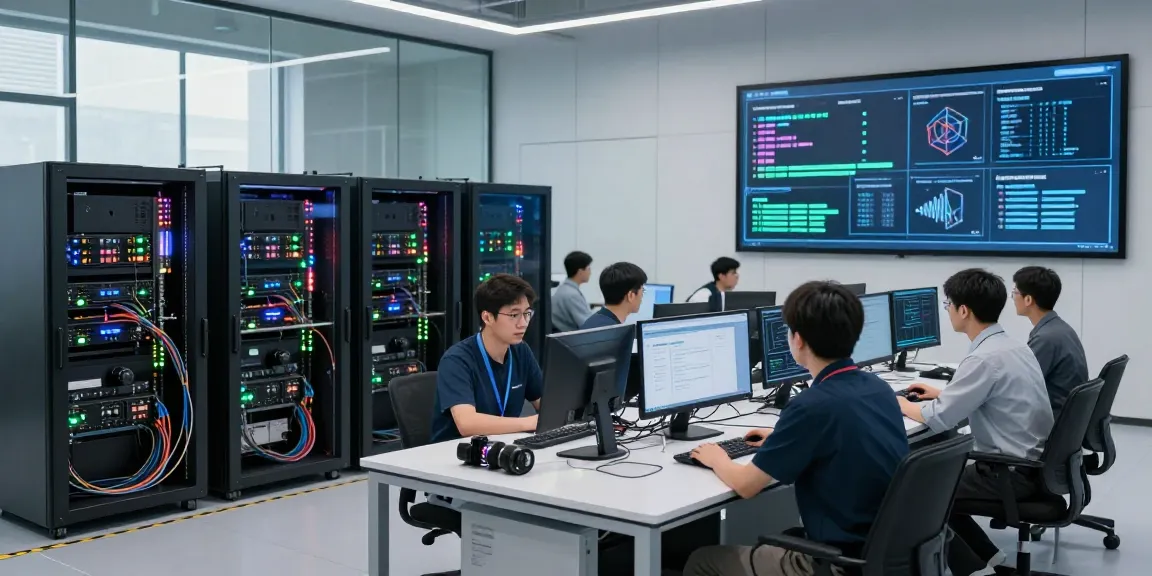
Understanding AI Detection Technology
The rise of artificial intelligence (AI) has opened a new frontier in technology, impacting how we create and interact with content. As AI-generated material becomes increasingly prevalent, the need for accurate detection methods to distinguish between human and AI-generated work has surged. This necessity is particularly evident in various sectors such as education, journalism, and digital media, where authenticity is paramount. An effective solution lies in the enhanced capabilities of the AI Detector, which offers tools to ensure the integrity of content through sophisticated detection algorithms. Understanding AI detection technology equips users with the knowledge to navigate this evolving landscape.
What is an AI Detector?
An AI detector is a tool designed to analyze content—be it text, images, or other media—to assess whether it has been generated by artificial intelligence. These tools employ various algorithms and methodologies to evaluate patterns, styles, and other characteristics that differentiate human-produced content from that created by AI systems. As AI continues to evolve, so do the capacities of these detectors, making them vital in maintaining the authenticity of content across various domains.
How AI Detectors Work: A Technical Overview
The functionality of an AI detector hinges on advanced machine learning algorithms and natural language processing (NLP) techniques. At its core, the detector analyzes specific features within the content, such as syntax, morphology, and semantics. By comparing these attributes with established norms of human writing, the detector can generate an AI probability score.
- Algorithmic Analysis: Detectors utilize trained machine learning models that have been fed vast amounts of data to recognize AI-generated patterns.
- Feature Extraction: Key features such as word choice, sentence length, and structural complexity are evaluated.
- Comparative Models: The detected text is compared against datasets known to contain both AI and human-generated samples, allowing for accurate likelihood estimations.
This blend of technologies allows for real-time analysis and categorization, making AI detectors an essential tool for various applications.
Common Use Cases for AI Detection
AI detectors serve a multitude of purposes across different sectors, including:
- Education: Schools and universities utilize these tools to uphold academic integrity by detecting instances of AI-generated essays and assignments.
- Content Creation: Journalists and content creators rely on AI detectors to ensure that published materials adhere to authenticity standards, thereby maintaining trust with their audience.
- Social Media Monitoring: Platforms leverage AI detection to identify manipulated images and fake news, thereby protecting users from misinformation.
By understanding these use cases, organizations can better implement AI detection strategies that align with their operational needs.
Types of AI Detectors Available in 2026
As of 2026, AI detection technology has diversified, prompting the development of various specialized detectors. These include:
Text-Based AI Detectors
Text-based AI detectors are perhaps the most widely recognized tools in this field. They assess written content to determine its likelihood of being AI-generated. These detectors employ complex linguistic algorithms and deep learning frameworks to analyze text and produce an AI likelihood score.
Image-Based AI Detectors
With the proliferation of AI-generated images, image-based detectors have emerged to address this challenge. These tools analyze visual content to determine whether it was created or manipulated by AI technology. They often utilize convolutional neural networks (CNNs) to assess pixel fidelity and detect inconsistencies typical of AI generation.
Comparison of Leading AI Detection Tools
The market offers a range of AI detection tools, each with unique features and capabilities. Some notable names include:
- GPTZero: Known for its high detection accuracy rate, especially in educational settings.
- Copyleaks: Offers robust text and image detection capabilities, catering to academic and commercial users.
- DeepAI: Specializes in detecting AI-generated images and deepfakes effectively.
By comparing these tools, users can identify which solution best meets their specific needs.
Benefits of Using AI Detectors
Employing AI detection tools delivers several advantages across various sectors:
Enhancing Content Authenticity
In a world where misinformation can easily propagate, AI detectors play a critical role in ensuring content authenticity. By verifying the origin of content, organizations can bolster their reputations and maintain user trust.
Improving Data Security and Integrity
AI detection helps safeguard sensitive data by identifying potential breaches or manipulations caused by AI systems. Organizations can proactively address security vulnerabilities and maintain data integrity.
Streamlining Quality Control Processes
Using AI detectors enables organizations to streamline their quality control procedures. By quickly identifying AI-assisted errors or manipulations, organizations can enhance their review processes and ensure high-quality outputs.
Challenges and Limitations of AI Detectors
While AI detectors are beneficial, they also face several challenges:
Dealing with False Positives and Negatives
One of the primary concerns with AI detection tools is the occurrence of false positives and false negatives. These inaccuracies can undermine trust in the detection process, as reliance on flawed results can lead to unintended consequences, such as unwarranted accusations of plagiarism.
The Need for Continuous Improvement
As AI technology evolves, so must detection methods. Continuous improvements to algorithms and models are crucial to address the increasingly sophisticated capabilities of AI content generation.
Understanding the Ethical Implications
The ethical implications of AI detection cannot be overlooked. The potential for misuse exists, and there is a responsibility to ensure that detection technologies are not used to unjustly harm individuals or infringe upon rights.
Future Trends in AI Detection Technology
Looking ahead, several trends are likely to shape the future of AI detection technology:
Emerging AI Detection Techniques for 2026
Innovations in machine learning and NLP are poised to lead to more advanced detection techniques. These advancements will likely enhance accuracy and efficiency in identifying AI-generated content.
Impact of AI on Creative Industries
The creative industries will continue to grapple with the implications of AI-generated content. Organizations may need to rethink their intellectual property laws to accommodate the new landscape.
Predictions for AI Detector Innovation
Future innovations may include real-time detection capabilities and integration with content management systems, allowing for instantaneous assessments of content as it is created.
What are the Most Reliable AI Detectors?
Determining which AI detector is most reliable will depend on user needs, accuracy preferences, and specific use cases. Users should consider conducting trials across different platforms.
How Accurate are AI Detectors?
While many AI detectors boast high accuracy rates, users must be aware of the inherent limitations and continue testing their reliability against various input texts.
Can AI Detectors Be Used for Image Analysis?
Yes, AI detectors can effectively analyze images for signs of artificial generation or manipulation, making them valuable tools for photographers and media companies alike.
Which Industries Benefit Most from AI Detectors?
Several industries, including education, journalism, media, and marketing, benefit from implementing AI detection tools to enhance content validity and uphold standards of ethics.
Are AI Detectors Effective for Academic Use?
In academic settings, AI detectors are crucial for preventing academic dishonesty, ensuring that students adhere to guidelines that promote original work.
What Should Users Know About AI Detectors?
Users should be aware of the strengths and limitations of AI detectors and adopt a comprehensive approach that includes manual verification alongside algorithmic checks.